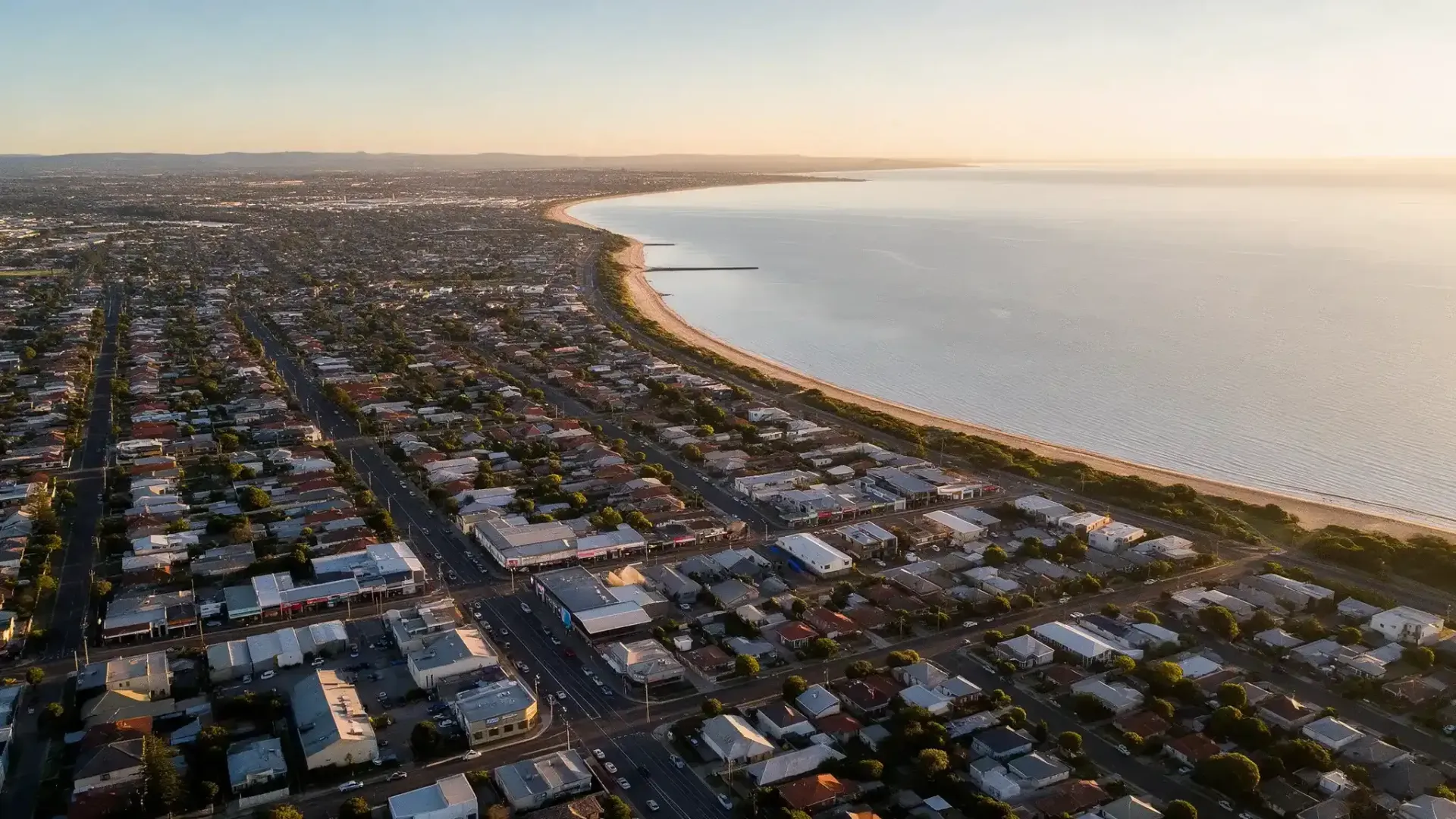
Planning a Corporate Dinner in Melbourne's South-East
To plan a corporate dinner, decide the purpose first, then the format. Shared service suits team dinners; plated suits speeches and clients. Budget per head including drinks, collect dietary requirements six weeks out, confirm invoicing terms, and schedule speeches between mains and dessert.

Decide what the dinner is for
This sounds obvious and it is the step most often skipped. A dinner to thank a team, a dinner to impress a client and a dinner to mark someone's departure are three different events, and they want different rooms, formats and lengths.
Write the purpose in one sentence before you look at a single venue. Every subsequent decision follows from it, and most planning problems come from trying to serve two purposes at once.
H2 Choose the format before the venue
Shared service
Boards down the middle of the table, people serving each other. This keeps a room talking and moving, and it is almost always the better choice for a team dinner.
It also handles uneven appetites gracefully, which plated service does not.
Plated service
Individual courses, a seating plan, and a defined rhythm to the evening. This suits client entertaining, formal thank-yous and anything with a structured speaking programme.
The trade-off is that the room stays seated, so people mostly talk to whoever they were placed beside.
Standing with canapés
Good for mingling, poor for anything that requires attention. If there are speeches, someone will be holding a plate and a glass and will not clap.
Cocktail-style with substantial food
A middle option that works better than pure canapés: shared boards on high tables, people standing but able to eat properly. Good for a room that needs to mingle but will also be hungry.
Numbers, and what changes at each threshold
Up to about twelve, a single table in a normal restaurant works well and costs least.
Between twelve and twenty-five, the room starts to matter. Conversation fragments across a long table and background noise becomes a real problem.
Above twenty-five, you want either exclusive hire or a genuinely separate space. A partitioned corner of a working restaurant at this size produces the evening everyone remembers badly.
Budget, and the number people forget
Set a per-head figure before enquiring, and be explicit about whether it includes drinks. The single most common budgeting error is agreeing a food price and discovering the beverage package roughly doubles it.
Three common drinks arrangements: a capped bar tab, which finance teams generally prefer because the ceiling is known; a fixed package per head, which is predictable but usually overpriced for a moderate-drinking group; and consumption, which is fairest and least predictable.
Ask separately about room hire fees and minimum spends. Get both in writing.
Build in roughly ten per cent contingency. Someone will bring a partner, numbers will shift, and a bottle will be opened that was not in the plan.
Choosing the venue
Once format and numbers are set, the venue shortlist writes itself. Ask every venue the same five questions: will another group be in the room, is there a fixed end time, is parking free, will the kitchen build a menu around us, and what is the total including all fees.
The first question is the most important and the one people forget. A corporate dinner sharing a room with another company's function is the most common cause of an evening that technically went fine and satisfied nobody.
Visit if you can. Fifteen minutes standing in the actual room tells you more about acoustics and layout than any amount of photography.
Invoicing and the finance conversation
Ask at the enquiry stage whether the venue will invoice the company rather than requiring settlement on the night. Many will, and it saves someone reclaiming a four-figure sum through expenses three weeks later.
Find out what your finance team needs on the invoice — purchase order number, ABN, payment terms, cost centre — and pass it to the venue early rather than after the event.
Dietary requirements
Ask your team in the same email that confirms the date. Six weeks out, a vegetarian, a coeliac and someone avoiding dairy are all straightforward. The afternoon before, the kitchen is improvising.
Ask the venue how requirements are handled, not whether they can be. The useful answer is that they are built into the menu at planning stage. The unhelpful answer is that something will be sorted out on the night.
Timing the evening
Speeches go between mains and dessert. During service they compete with the food; after dessert, a meaningful part of the room has drifted toward the car park.
Keep them short and keep the number down. Two speakers at four minutes each beats five speakers at two, because the room's attention does not reset between speakers.
Tell the venue when you want them so the floor staff can hold service rather than clearing plates over the top.
Whether to have a theme
Generally, no. Themes are enjoyed enormously by the person who chose them and tolerated by everyone else, and they add cost and planning for a return that is difficult to measure.
The exception is a genuine milestone — a company anniversary, a major contract — where the occasion supplies the theme and nobody has to be persuaded into a costume.
Transport, which decides who actually comes
If most of your team lives in the south-east, a CBD venue costs each of them an hour and a fare. Attendance drops, and the people who do come leave early.
Free on-site parking removes a cost and a decision for every driver. For a dinner of forty, that is a meaningful saving before anyone eats anything.
Check public transport as well, and say so in the invitation. People drink more comfortably when they know they are not driving, and an evening where nobody is watching the clock for the last train tends to go better.
The week before
Reconfirm numbers, dietary requirements and speech timing in a single email, and ask the venue to confirm receipt. Do not assume anything discussed six weeks ago is still front of mind for either side.
Send your team the address, the parking situation, the start time and the dress code. Half of the questions you will otherwise field on the day are answered by that one message.
A planning checklist
Purpose in one sentence. Format. Headcount and threshold. Per-head budget including drinks. Room hire or minimum spend, in writing. Invoicing requirements. Dietary requirements collected six weeks out. Speech timing agreed with the venue. Parking and transport. Access time if anything needs setting up.
Ten items. Work through them in that order and the evening largely organises itself.
What makes the difference on the night
The dinners people remember well share very little in common on paper. What they do share is that nobody spent the evening straining to hear, waiting for food, or working out how to get home.
Those three things are all decided weeks in advance, at the point where you choose a room, agree a format and pick a date. Almost nothing you do on the night itself will rescue a venue that was the wrong choice.
Which is a slightly deflating conclusion for anyone hoping for a clever trick. The trick is choosing carefully and then leaving it alone.
One genuine on-the-night improvement: arrive twenty minutes early. Walk the room, check the seating, find the person running the floor and introduce yourself. It costs nothing and it means any small problem gets solved before forty people are standing in it.
See corporate functions at Wood & Bone, or how exclusive venue hire works more broadly. Planning for December? Read about end-of-year functions. We are well placed for venues near the Cheltenham business belt, and shared smokehouse boards for groups suit a working room particularly well.
FAQ block
How far in advance should I book a corporate dinner?
Four to six weeks is comfortable for most events. December fills from September, so year-end functions need considerably more notice.
Is shared or plated service better for a team dinner?
Shared service generally works better for team dinners because it keeps the room talking. Plated service suits client entertaining and events with a formal speaking programme.
When should speeches happen at a corporate dinner?
Between mains and dessert. During service they compete with the food, and after dessert part of the room has already left.
Can restaurants invoice a company for a corporate dinner?
Many will. Ask at the enquiry stage and pass on your finance team's requirements — purchase order, ABN, payment terms — before the event rather than after.
How do I handle dietary requirements for a large group?
Collect them roughly six weeks out in the same email that confirms the date, and choose a venue that builds requirements into the menu rather than improvising on the night.
At what group size do I need exclusive venue hire?
Above roughly twenty-five people. Below that a large table or separate space usually works; above it, a partitioned area in a working restaurant tends to disappoint.